
by Paul McCrea - Influence Pro Communications Inc
Canada’s relationship with the United States has always required two truths to coexist: we are deeply integrated, and we must never be complacent about that dependence. In late 2025, those truths are back in full view as Canada and the U.S. prepare for formal talks in mid-January to review CUSMA/USMCA ahead of its 2026 deadline. AP News
The immediate context is a year of tariff-driven tension—particularly painful for sectors like steel and lumber—paired with familiar U.S. pressure points around dairy, alcohol, and digital services. AP News+1 This is not simply a policy disagreement; it’s a stress test of how Canada protects sovereignty and prosperity when Washington’s tone shifts from partner to pressure.
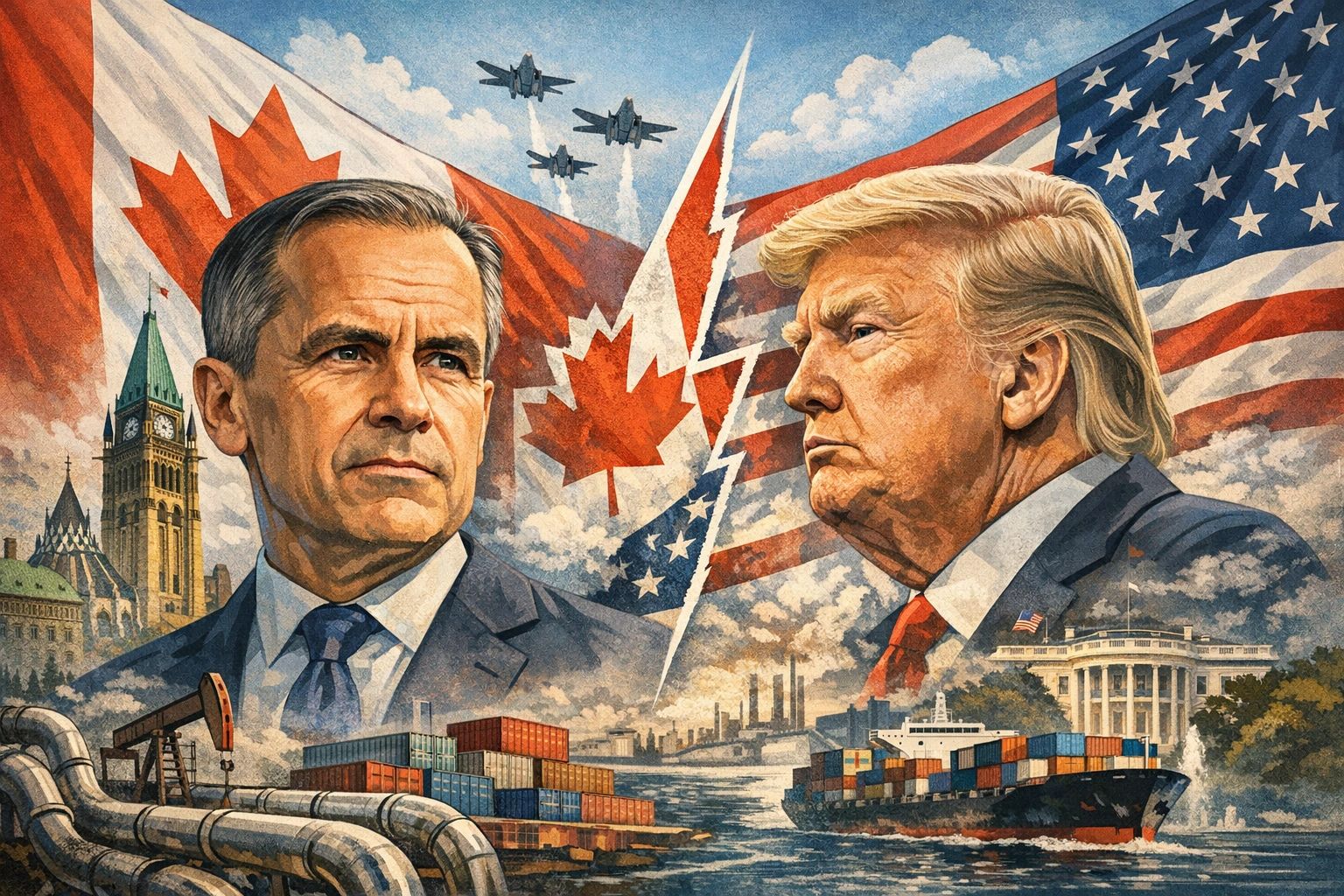
So how effectively is Prime Minister Mark Carney handling Donald Trump? The answer, judged on outcomes and positioning rather than rhetoric, is “more strategically than theatrically.” His approach has been to lower Canada’s vulnerability, remind the U.S. of Canadian leverage, and widen Canada’s options—without turning the relationship into a permanent public brawl.
First, Carney’s team is speaking plainly about over-reliance. When 75%+ of exports flow south, every tariff becomes a national economic event, not a sectoral inconvenience. AP News That clarity matters because it forces a policy shift from “manage irritants” to “reduce single-market risk.”
Second, Canada’s leverage is real—and structural. The U.S. depends on Canada for major portions of its crude oil imports and electricity imports, and Canada is also a major supplier of critical minerals the U.S. defence ecosystem wants secured. AP News Carney has underlined that access to Canada’s critical resources isn’t automatic. AP News That’s not chest-thumping; it’s a reminder that interdependence cuts both ways.
Third, Carney is widening Canada’s options through security and competitiveness moves. Canada’s decision to deepen its Arctic presence—alongside clearer defence-spending ambitions—signals that Ottawa is not treating sovereignty as a talking point. Reuters On the economic side, the government’s unusually fast approval of a major mining deal has been interpreted as a pro-business shift designed to attract investment into strategic sectors under trade pressure. Reuters
What does this mean looking forward? Canada’s opportunity is to turn a tense moment into an investment and capability advantage. If the U.S. remains volatile, global capital will search for stable platforms—countries with resources, rule of law, and predictable policy. Canada can be that platform, particularly in critical minerals, energy systems, ports/logistics, and the industrial inputs that power modern AI-era economies. RBC+1
The risk is that uncertainty itself becomes the damage. Tariffs on key sectors and the politics surrounding the USMCA review can chill investment and complicate planning even when nothing “breaks.” AP News+1 That’s why Canada’s best path is not a permanent posture of reaction, but a focused strategy: diversify markets, protect sovereign capacity, and negotiate from the reality that the U.S. needs Canada as much as Canada needs the U.S.
If Carney’s approach holds, the long game is clear: a more resilient Canada—less exposed to one political mood in Washington, and better positioned to win investment in the industries that matter for the next decade.