Why Brands Must Listen to the Unexpected
Paul McCrea / Influence Pro Communications
Marketers love to imagine they know their “ideal customer.” After all, whole campaigns, budgets, and strategies are built around targeting that one profile: age, gender, income, lifestyle. But the truth is, markets are rarely that neat — and sometimes the most valuable insight is the one that flips your assumptions upside down.
The Risk of Assumptions
Brands get into trouble when they define their customers too narrowly. They create campaigns for who they want their audience to be, instead of who their audience actually is. The danger? Missed opportunities, wasted spend, and even alienating the very people who might have become loyal advocates.
Case Study: Nintendo Wii
When Nintendo launched the Wii in 2006, the brand expected its core audience to be young, tech-savvy gamers — the same demographic that flocked to its GameCube and other consoles.
But early insights and adoption data told a different story: the Wii was resonating with families, older adults, and casual gamers who had never bought a console before. Nursing homes used it for activity programs, parents loved it for family bonding, and even fitness enthusiasts turned Wii Sports into a workout.
This insight forced Nintendo to pivot its marketing. Instead of doubling down on “hardcore gamers,” they broadened the message to “gaming for everyone.” The surprise insight not only redefined the console’s positioning but turned it into one of the best-selling platforms of all time.
Case Study: J.Crew’s Missed Opportunity
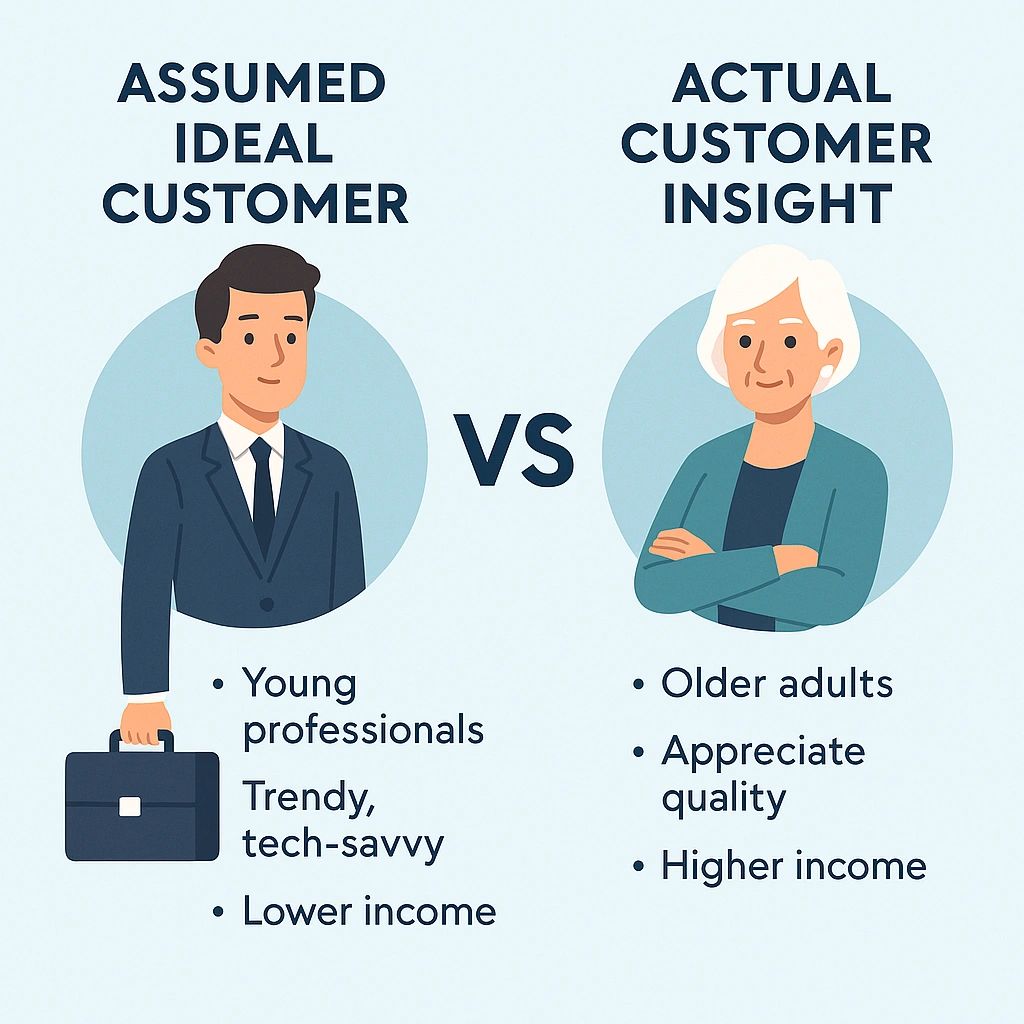
On the other hand, J.Crew provides a cautionary tale. For years, the brand assumed its “ideal customer” was the stylish young professional, and tailored campaigns to that archetype. But insights later revealed that a significant portion of their most loyal customers were older, higher-income women who appreciated quality basics and classic designs.
By ignoring this segment, J.Crew leaned too far into fashion-forward designs and alienated their base. The result: declining sales, a muddled identity, and eventually bankruptcy proceedings. They had insights in their hands — but they resisted the surprise truth.
Lessons for Brands
- Validate assumptions with data – Don’t just rely on the customer you imagine; listen to the one who’s actually buying.
- Embrace the unexpected – Sometimes your most profitable audience is the one you weren’t even looking for.
- Stay agile – If insights show a new opportunity, don’t resist; pivot and capitalize.
- Revisit often – Customers evolve. Your “ideal” audience in 2020 may not be the same in 2025.
Final Word
Core insights are powerful because they reveal truths that challenge what we think we know. The brands that thrive are the ones humble enough to listen — even when it’s uncomfortable — and bold enough to act. Mastery Level 1