Paul McCrea / Influence Pro Communications
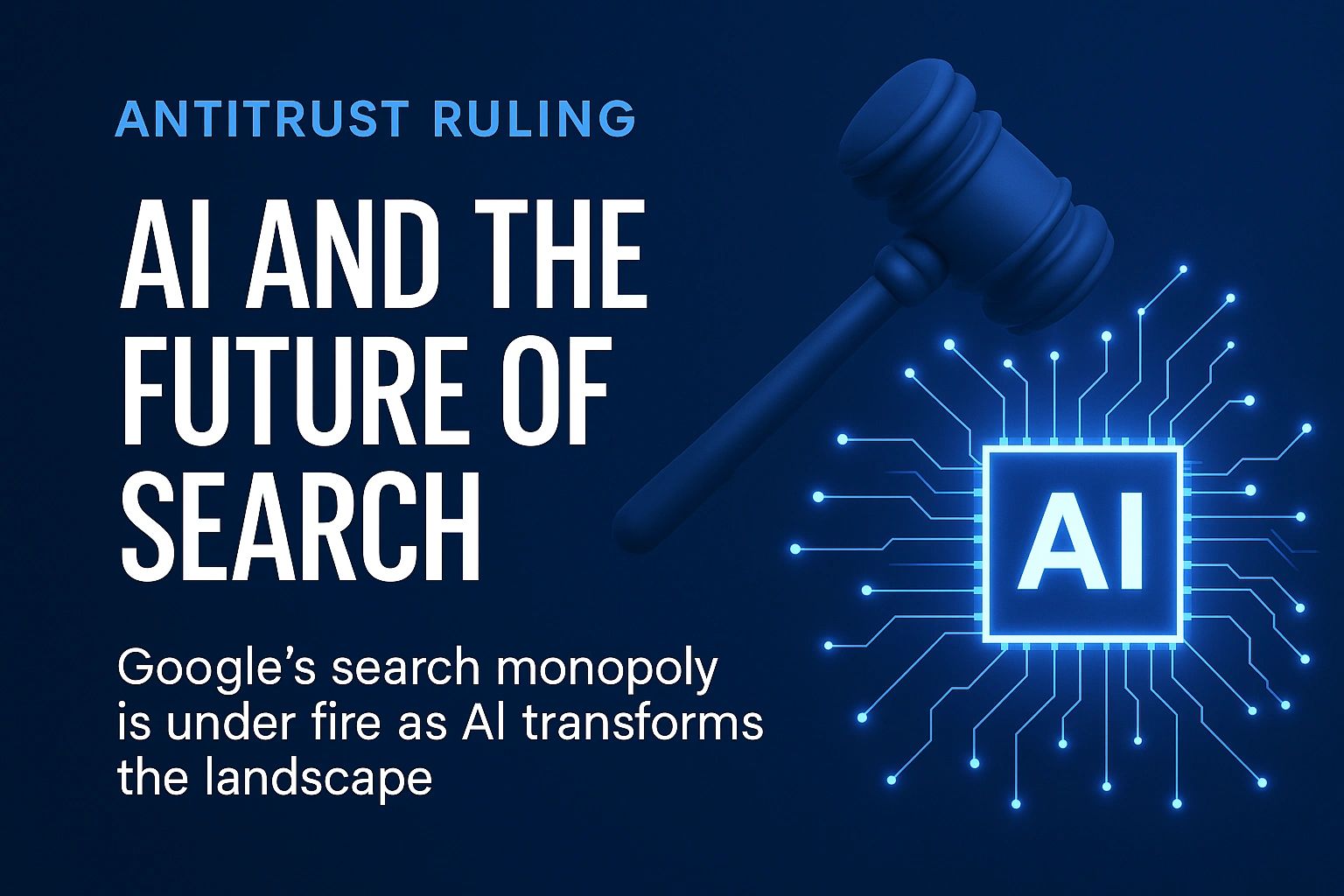
In a landmark ruling on September 2, 2025, U.S. District Judge Amit Mehta confirmed that Google holds an unlawful monopoly over online search. Yet, rather than enforcing drastic structural remedies like divesting Chrome or Android, he imposed more measured measures: banning exclusive search engine deals and requiring Google to share certain search data with competitors.
This decision has sparked debate: critics call it too lenient, failing to dismantle Google’s dominance effectively. Still, even the judge acknowledged that emerging AI-driven search alternatives have already begun to chip away at Google’s grip.
What the Ruling Does—and Doesn't Do
What It Won’t Do:
- Google keeps control over its Chrome browser and Android OS.
- Payments to maintain search default placements on devices (like Apple’s Safari) can continue.
What It Mandates:
- Google must share search index and user interaction data with rivals, potentially leveling the playing field for emerging search and AI engines.
- Exclusive distribution deals for search across products like Chrome, Google Assistant, and the Gemini AI app are now prohibited.
AI Disruption: The Real Challenge to Google's Dominance
Judge Mehta’s decision recognizes an evolving reality: while legal action is one lever, AI-powered alternatives—think ChatGPT, Perplexity, and other generative AI tools—are already reshaping how people search.
These systems offer conversational, summary-first responses that bypass traditional search webs, leading us toward what many see as the next frontier: AI-first search. Google’s own AI Overviews and AI Mode are attempts to follow this trend—synthesizing information directly rather than linking through.
What’s Next for Search—And What It Means
1. Search Data Access Opens Innovation
Requiring Google to share search data could empower competitors and AI platforms to deliver more meaningful, real-time results.
2. Redefining Search as Conversation
Users increasingly expect AI assistants to answer their questions directly—search as “find results” is giving way to “get solutions.”
3. Ethics, Quality, and Trust Become Paramount
With AI’s rise, concerns about misinformation, hallucinations, and bias will need to be addressed through transparency, regulation, and algorithmic accountability.
4. Search Strategy Evolves
Content creators and businesses must adapt to an era where aggregation and visibility depend less on SEO—and more on how AI consumes and surfaces knowledge.
5. Regulatory Paths May Still Tighten
Though the ruling is cautious, it could set precedents that shape future enforcement—especially if AI companies themselves come under scrutiny.
Final Thoughts
The Google ruling signals more than just a judicial response—it’s an acknowledgment that monopoly must now be countered not only by law but by innovation. AI is offering that challenge. As Google retains structural power today, tomorrow’s winners may be the platforms that redefine search—not just provide it.
Search is no longer about clicks on links. It’s about conversations, context, and coherence.
As Judge Mehta noted, competitive pressure may well come from technology itself, rather than only from legal reform.